
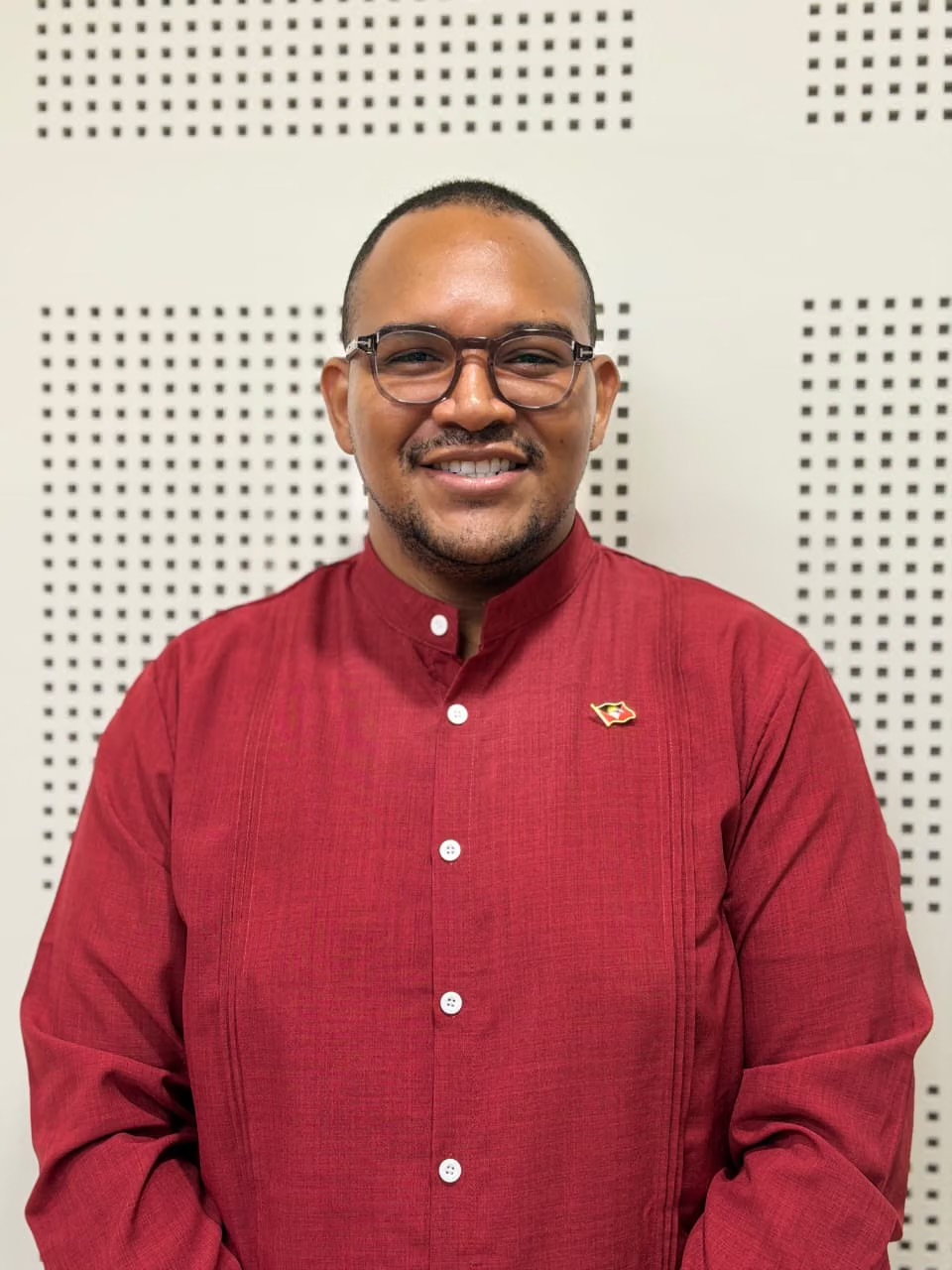
Julien David Kentish, an Antiguan Registered Nurse and Chartered Director, has returned home with an International Master of Public Health from the Hebrew University of Jerusalem and a plan to move the country’s health focus from treatment towards data-driven prevention.
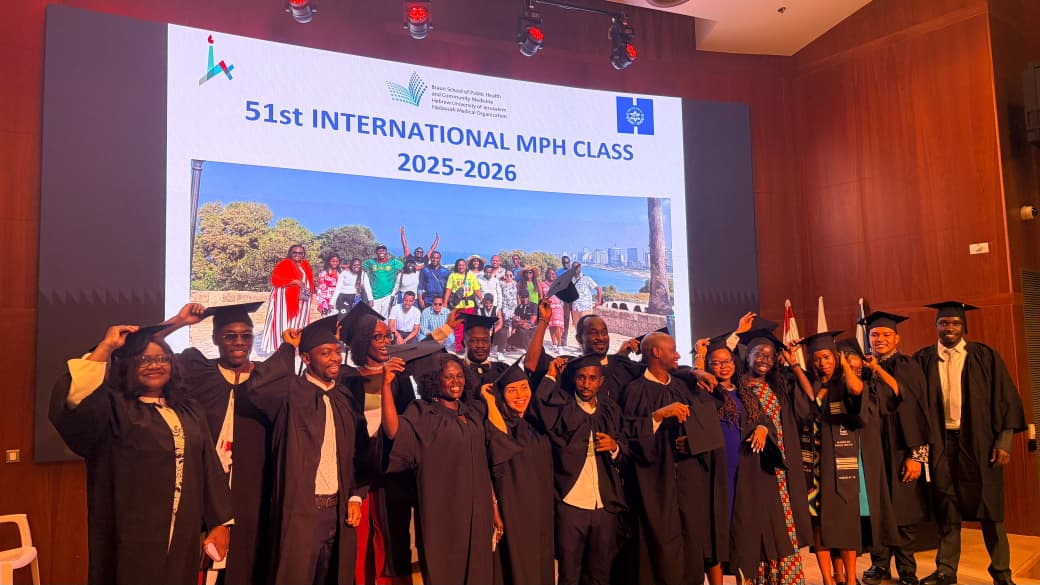
Kentish completed his studies at the Braun School of Public Health and Community Medicine of the Hebrew University of Jerusalem-Hadassah, where he was the only Caribbean student in an international cohort of health professionals from Africa, North America and other regions.

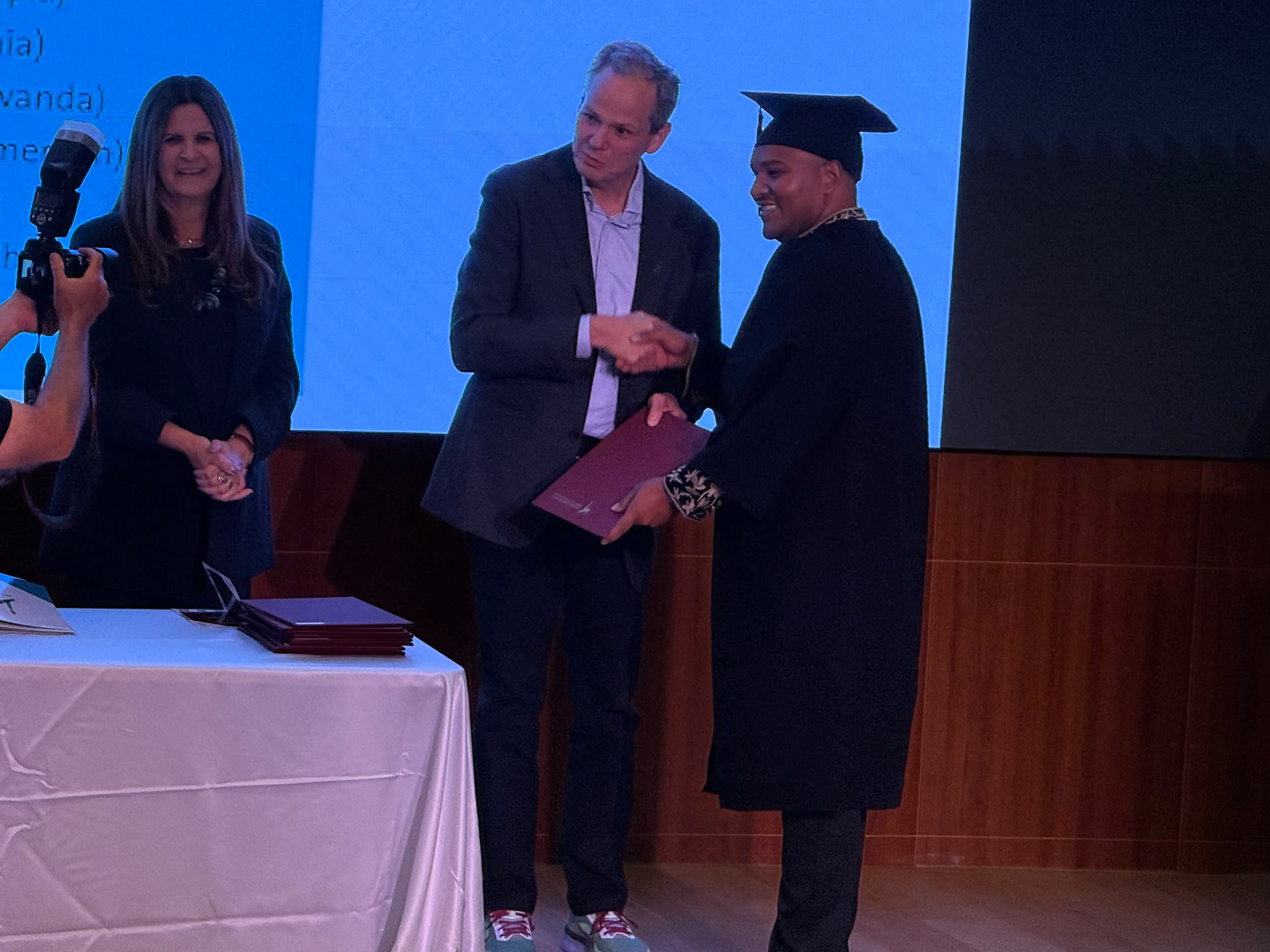
He said the degree matters less as a credential than as a tool. “Returning home, my focus is on application,” Kentish said. “Public health challenges cannot be addressed only when people arrive at the hospital or clinic. We have to strengthen prevention, use data more effectively, invest in healthier communities and develop systems that respond to the needs of our population before illness becomes a crisis.”
His master’s research targeted childhood obesity, a growing concern in Antigua and Barbuda and across the Caribbean.
The study examined knowledge, attitudes and practices around healthy family feeding during the first 1,000 days of life, the period from pregnancy to a child’s second birthday.
It focused on healthcare workers and caregivers in Antigua and Barbuda and explored how both groups can be supported through culturally appropriate guidance, education and health-system interventions.
Beyond the classroom, Kentish engaged with clinicians, researchers and leaders across the Israeli health system, examining healthcare delivery, nursing leadership, research and innovation.
He met nurse executives and members of the Israel Nurse Practitioner Association, and attended the Association’s annual conference as an invited guest, joining discussions with professionals and academics from nursing, medicine, healthcare leadership, law and the sciences.
“We should never simply import another country’s healthcare model,” Kentish said. “Our responsibility is to learn from global experiences, examine the evidence and then determine what is appropriate, sustainable and culturally relevant for Antigua and Barbuda and the wider Caribbean.”
Kentish explained he sees public health as an extension of nursing, not a break from it.
“Nursing taught me to care for the person in front of me,” Kentish explained. “Public health has challenged me to also ask what is happening to the hundred or thousand people I may never meet, and what policies, programmes and systems can prevent them from becoming ill in the first place.”
Kentish added that he wants to contribute to public health planning, epidemiology and surveillance, maternal and child health, non-communicable disease prevention, patient safety and healthcare governance. He also hopes to build ties between local and international institutions to support knowledge exchange, research collaboration and capacity building. For small island developing states with limited resources, he argued, building home-grown expertise is not optional.
“Antigua and Barbuda has talented healthcare professionals and strong institutions,” Kentish said. “There is an opportunity to build on what already exists by strengthening coordination, research, data-driven decision-making, prevention and multidisciplinary collaboration.”
“I left Antigua and Barbuda to learn, to challenge myself and to broaden my understanding of health beyond the bedside,” he said. “I return with a greater responsibility to use that knowledge in service to my country and region.”
With non-communicable diseases, childhood obesity, workforce development and health-system resilience all pressing on the country’s health sector, Kentish hopes his combined background in nursing, public health, business and governance can inform the institutions and conversations shaping what comes next.