

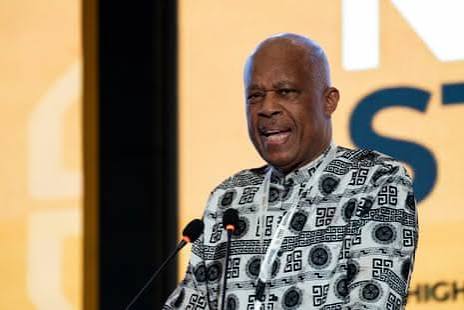
The debate over reparations for slavery has gained renewed attention ahead of the 2026 Commonwealth Heads of Government Meeting in Antigua and Barbuda, following an appeal to King Charles III from Professor Hilary Beckles, chair of the Caribbean Community Reparations Commission.
Beckles has called on the British monarch to support discussions on reparatory justice, arguing that the Commonwealth should play a meaningful role in addressing the historical consequences of slavery and the transatlantic slave trade.

The appeal comes amid growing calls from Caribbean leaders and advocacy groups for Britain to acknowledge the harm caused by slavery and engage in substantive discussions about reparations.
Commonwealth Secretary-General Shirley Ayorkor Botchwey has also indicated that a formal apology would not be unwelcome and that serious conversations about reparations were timely.
The upcoming summit is expected to provide an opportunity for Caribbean representatives to raise the issue before international leaders. However, disagreements have reportedly emerged over the wording of proposed commitments concerning reparations in the summit’s final communiqué.
Advocates argue that the consequences of slavery extend beyond historical remembrance and involve questions of justice, economic development and the responsibilities of former colonial powers.
The issue has particular significance for the Caribbean, where the legacy of slavery continues to influence discussions about inequality, development and historical accountability.
Whether the summit produces an agreed commitment remains uncertain. Nevertheless, reparations are expected to remain an important subject as regional leaders and campaigners press for meaningful engagement.