

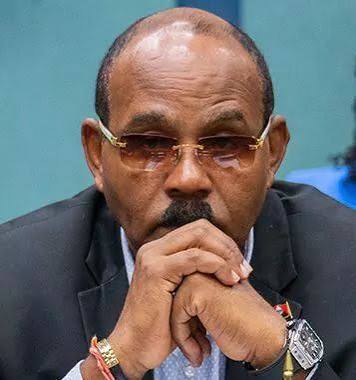

Prime Minister Gaston Browne has revealed that Antigua and Barbuda changed its intended position on a United Nations resolution concerning Cuba after receiving a warning from the United States about the possible impact on ongoing visa negotiations.
Browne made the disclosure during his weekly radio programme, explaining that the government had initially intended to support Cuba but reconsidered following communication from the US State Department.

According to the Prime Minister, American officials indicated that supporting the resolution could undermine progress being made in negotiations concerning visas for Antiguans and Barbudans seeking to travel to the United States.
Browne said the government subsequently instructed its ambassador to abstain from the vote. However, Antigua and Barbuda was recorded as absent when the October 28 debate took place.
The Prime Minister acknowledged that the country was attempting to improve its relationship with Washington, particularly concerning visa difficulties experienced by nationals.

He also questioned whether the United States’ position could be connected to Antigua and Barbuda’s Citizenship by Investment Programme (CIP).
Browne said his administration had already agreed to suspend the programme and had communicated its position to the European Union in writing. However, the government is seeking an additional three-and-a-half-year period to phase out the programme.
The issue has broader regional implications, with CARICOM countries taking different positions during the United Nations debate.
Jamaica, Haiti and Guyana abstained, while Trinidad and Tobago voted against the resolution. Several other Caribbean countries, including Barbados, Grenada, The Bahamas and St. Kitts and Nevis, supported it.
The Prime Minister’s disclosure highlights the diplomatic pressures facing smaller Caribbean nations as they attempt to balance international relationships with their national interests